
Linear
The issue tracker built for high-performance software teams.
Editorial Score
Screenshots
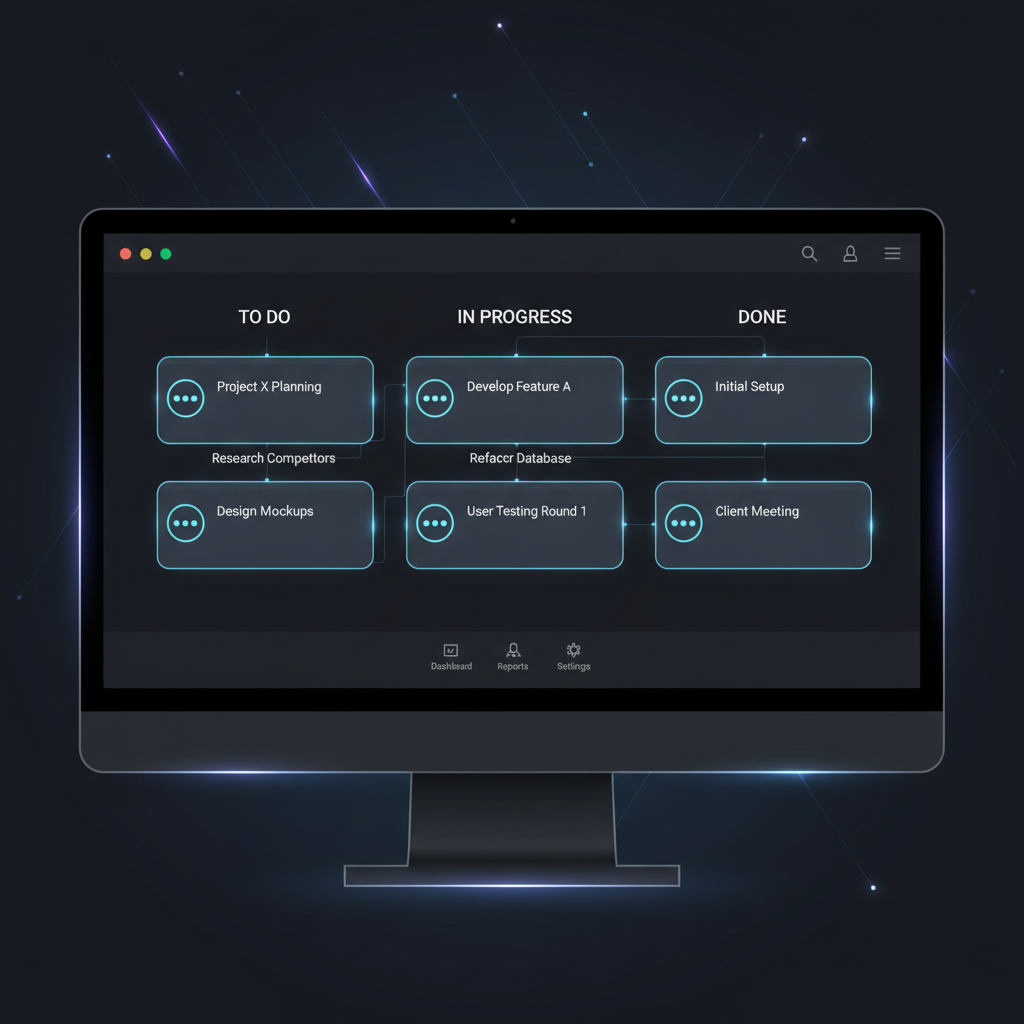
Main board view — clean, fast, keyboard-first.
Linear launched in 2019 with a clear thesis: software teams were drowning in Jira tickets and needed a tool that respected their time. Three years later, it has become the go-to issue tracker for high-performance engineering teams — from early-stage startups to teams at companies like Mercury, Vercel, and Ramp.
What makes Linear different is the philosophy baked into every interaction. The product is opinionated in a way that Jira never was: issues are meant to be resolved quickly, not turned into sprawling documents. The keyboard-first interface means your hands rarely leave the keys. The default views are sensible. The data model is clean.
"Linear is what happens when engineers build a tool for engineers — and it shows in every interaction."
— Mara Okonkwo, Senior Editor
The tradeoff is real: Linear is not a general project management tool. It does not try to be Notion or Asana. If your team needs Gantt charts, resource planning, or heavy custom workflows, you will feel constrained. But if you want to ship software faster, Linear is the best tool in its class by a meaningful margin.
Discussion (4 comments)
Been using Linear for 14 months across two companies now. The cycle time analytics alone justify the cost for any team that cares about shipping velocity. The only thing I wish it had was better dependency tracking across projects.
Agreed on cross-project deps. We use a workaround with labels but it is hacky. They have it on the roadmap apparently.
Score of 9.2 feels right. The only thing stopping it from a 9.5+ for us is the lack of a proper time tracking integration. We have to use a separate tool which creates friction.